


%20X3003%20Grit%20Guard-190x190h.jpg "Grit Guard")


How To
Clean Car Exterior: A Step-By-Step Guide For A Spotless Finish
Key Takeaways:
- Prep
Prevents Damage: Setting up the location, conditions, and tools correctly
before washing is what keeps the contact wash scratch-free.
- Protection
Type Changes Longevity: Carnauba, synthetic sealant, and ceramic hybrid
options each deliver different durability and gloss characteristics.
- Between-Wash Habits Matter: Quick maintenance between washes preserves protection layers and reduces how intensive the next full wash needs to be.
Here's the honest truth: most paint damage doesn't happen on the road. It happens during the wash. Dragging grit with the wrong tool, skipping the pre-rinse, or using the same cloth on glass and door panels are all things that seem harmless and slowly wreck a finish.
Knowing how to clean a car exterior the right way means
understanding why each step exists. At Chemical Guys, we've spent over 20 years
developing surface-safe formulas and teaching over a million car owners how to
get results they're proud of. In this guide, we’ll cover the complete exterior
wash sequence, from prep through protection, so your finish stays clean, and
your paint stays safe.
Setting Up For A Safe Exterior Wash
Getting the wash right starts before water touches the car.
The setup determines whether the contact wash is safe or creates problems that
are hard to undo.
Picking The Right Location And Conditions
Washing in direct sunlight causes soap and water to dry on
panels before you can rinse them off, leaving residue that requires more work
to remove than the wash itself. A shaded area, an overcast day, or morning
conditions provide the time you need to clean and rinse each section before
anything dries.
Having The Right Tools Ready Before You Start
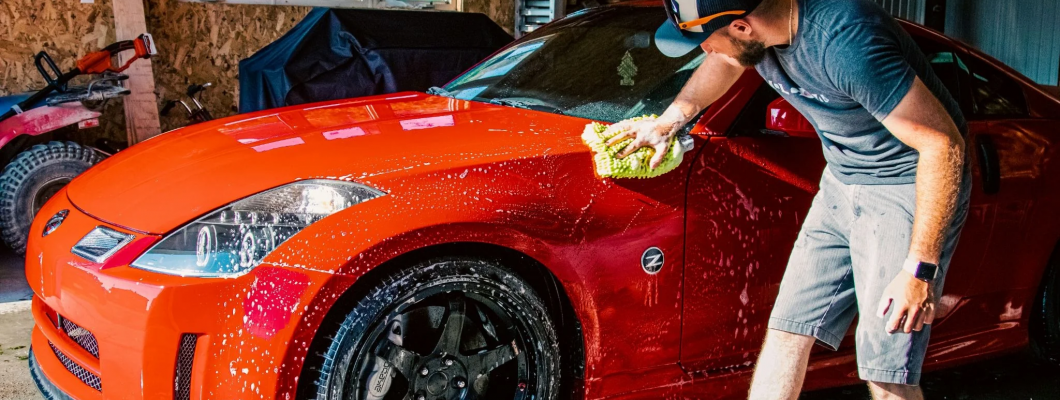
Switching tools mid-wash means setting down a wet mitt on a
dirty surface and then coming back with a product that may not suit the zone
you're working in. Our Car Wash
Mitts trap and lift dirt away from the paint surface rather than
dragging it across, so having the correct mitt and a dedicated rinse bucket
ready before starting eliminates the decisions that compromise the result.
Why Soap Formula Matters More Than You'd Expect
A pH-neutral car wash soap lifts dirt without stripping wax
or sealant coats. Dish soap is alkaline and breaks down protective layers with
every wash, leaving paint more vulnerable over time. Every solid
exterior car wash guide starts with soap selection, and ours is no different:
our car wash soaps are formulated for painted automotive surfaces, producing
thick foam that lubricates contact while protecting what's already applied
below.
How Do You Wash A Car Without Damaging The Paint
Understanding how to wash outside of car panels correctly
comes down to technique at the contact stage. These three elements are what
separate a wash that protects paint from one that damages the finish over
time.
Wash Mitt Movement And Pile Maintenance
Working in straight lines rather than circles reduces the
swirl marks that random scrubbing creates across the clear coat. Use enough
mitt surface on each pass to avoid overloading the pile with grit, and squeeze
it out regularly to keep the pile open. High-quality chenille mitts produce
more lubrication at the point of contact and release dirt more completely than
sponges or terry cloth.
Exterior Glass Cleaning As Its Own Stage
Exterior glass requires a streak-free formula different from
the soap used on body panels. General-purpose soap leaves a film that creates
hazing and glare on the windshield. A formula designed for automotive glass
with a dedicated glass towel produces a genuinely clear result rather than one
that looks clean until the sun hits it at an angle.
Drying With The Right Tool
Leaving water to air dry deposits mineral residue as it
evaporates, creating spots that bond to the clear coat over time. Our Drying Towels
are engineered with high-absorbency blends that pull water off surfaces with
minimal drag, reducing friction during drying. Working from the roof down in
sections keeps already-dried panels from getting re-wet by drips from above.
Exterior Cleaning Steps For Cars In The Right Sequence
Following these steps in order is the best way to clean
outside of car panels safely and get repeatable results every wash.
- Pre-Rinse
First: Blast loose dust, grit, and debris off every panel before any
product makes contact to eliminate the most abrasive material upfront.
- Foam
Application: Cover all panels from top to bottom and allow dwell time so
the chemistry suspends the bonded dirt before the mitt touches the paint.
- Two-Bucket
Contact Wash: Use one bucket for clean soap solution and one for rinsing
the mitt between passes, keeping contamination out of your wash water.
- Wheel
& Tire Pass: Clean wheels and tires with dedicated wheel-cleaning
formulas after body panels, preventing brake dust from transferring onto
already-clean paint.
- Final
Rinse: Flush all foam, loosened dirt, and wheel cleaner residue completely
from every surface before moving to the drying stage.
- Dry
Immediately: Work through each section with a drying towel while the
surface is still wet to prevent mineral deposits from bonding as water
evaporates.
Understanding Waxes And Sealants For Exterior Protection
Washing cleans the surface. Protection is what preserves it
between washes. The type of protection you choose determines how long your
paint stays shielded and what kind of shine it carries.
Carnauba Wax: Warmth, Depth, And Natural Origins
Carnauba wax comes from Brazilian palm leaves and delivers a warm,
deep gloss that synthetic options approach but rarely replicate. The trade-off
is longevity: carnauba layers typically last several weeks to a few months,
depending on exposure, which suits drivers who enjoy regularly maintaining
their finish.
Synthetic Sealants: Molecular Bonding And Long-Term UV Protection
Synthetic paint sealants bond to the clear coat at a molecular
level, creating a harder, more durable layer than natural wax. Quality sealants
can last up to a year under normal driving conditions and resist UV degradation
more effectively, making them the better choice for vehicles regularly parked
outside. Our complete range of waxes and sealants covers every preference from
traditional paste wax to long-lasting synthetic formulas.
Ceramic Hybrid Options: Bridging Both Worlds
Ceramic-infused hybrids combine the gloss and warmth of carnauba
chemistry with the enhanced water beading of ceramic compounds. They apply like
a traditional wax or spray but deliver hydrophobic properties that repel water
and road film more aggressively than standard wax alone, making them a
practical option for drivers who want both shine and durability.
Keeping Your Exterior Clean Between Full Washes
What happens between full washes determines how long protection
layers hold up and how much effort the next wash requires.
Quick Detailers For Between-Wash Touch-Ups
Road dust, bird droppings, pollen, and light contamination sit on
paint between washes and cause damage over time. A quick detailer applied with
a clean microfiber towel lifts surface contamination without a full wash setup,
keeping paint looking clean and extending the life of the protection layer
beneath it.
Wheel And Tire Maintenance As A Standalone Task
Wheels accumulate brake dust and road film faster than any panel,
and that buildup quickly bonds to metal and clear coat. Spraying a dedicated
wheel cleaner between full washes breaks the bonding cycle before it becomes a
scrubbing job. Tire protectant applied between washes also prevents the
oxidation that makes rubber look prematurely aged.
How Layered Protection Reduces Contamination Load
A clean surface topped with a quality wax or sealant sheds water,
road film, and light contamination rather than absorbing them. That hydrophobic
barrier means the steps to clean car exterior panels take less effort each
time, because there is simply less bonded contamination for the wash to work
through.
Final Thoughts
A clean car exterior comes from a process that protects paint at
every stage. Skipping steps or using the wrong tools is where most damage
happens, and most of it is avoidable.
At Chemical Guys, we build products that work as a system because
repeatable results come from the process, not guesswork. Browse our exterior
lineup and find the setup that keeps your finish looking exactly the way it
should.
Leave a Comment