


%20X3003%20Grit%20Guard-190x190h.jpg "Grit Guard")


How Often Should
You Wash Your Car? The Answer Might Surprise You
Key Takeaways:
- Frequency
Depends On Your Life: Climate, parking habits, and your existing paint
protection all determine how often your car needs washing.
- Dirty
Is Relative: A car that looks clean can still carry paint-damaging
contaminants that build up silently between washes.
- The
Right Products Matter: Using a pH-neutral soap and proper drying technique
protects your finish every time you wash, no matter how often that is.
Most car owners wash it when they remember to, or when it gets
embarrassingly dirty. That is a strategy, but it is not a great one. The
contaminants that do the most damage to your paint are often invisible until
the damage is already done.
At Chemical Guys, we have built over 1,000 free tutorials and a
product lineup trusted by more than 1.2 million customers because we believe
car care should feel less like a chore and more like something you enjoy. Our
formulas are developed in-house and tested in real-world conditions.
This piece breaks down how often you should wash your car, what
actually drives that number, and how to make every wash count without overdoing
it.
The Real Damage That Builds Up Between Washes
Skipping washes feels harmless until you understand what is
sitting on your paint in the meantime. The threats are more aggressive than
most drivers expect.
What Bird Droppings, Tree Sap, And Road Grime Do To Paint
Bird droppings are mildly acidic and can etch through the clear
coat in as little as 24 hours in warm weather. Tree sap hardens fast and bonds
aggressively to paint, making removal harder the longer it sits. Road grime and
tar carry compounds that wear down the clear coat over time.
Why "It Doesn't Look That Dirty" Is The Most Dangerous
Thought In Car Care
A car that looks clean can still carry fine brake dust, industrial
fallout, and airborne pollution that standard eyeballing misses. These
particles are abrasive. Every time you drag a mitt across what looks like a
clean surface, you are grinding it into the paint.
How Often Does A Car Need Washing Compared To How Often Most
People Do It
Most drivers wash once a month or less. Depending on where they
live and how they drive, that gap is often long enough for real damage to
accumulate. How often a car needs washing really comes down to exposure:
the more salt, sap, dust, and grime your vehicle encounters, the tighter the
window needs to be.
The Compounding Effect Of Neglect
Paint damage builds slowly. Contaminants that sit too long start to bond chemically to the clear coat. Once that happens, a standard wash will not remove them, and you will need a clay bar or a compound, which is more work than a timely wash would have required.
What Determines Your Wash Schedule
How often to wash your car is not a one-size-fits-all answer. Car
wash frequency depends on your environment, habits, and existing protection.
Climate, Parking Situation, And Driving Habits
Drivers in coastal areas deal with salt air. Those in dry climates
fight dust and industrial fallout. Anyone parking under trees gets a daily coat
of sap and bird activity. High-mileage drivers accumulate road grime faster.
All of these factors push your ideal wash frequency higher than that of the
casual driver who garages their car and runs a short commute.
Should You Wash Your Car Every Week If You Have Paint Protection
Should you wash your car every week even with a ceramic coating or
sealant? Yes, protection layers make washing more effective, not unnecessary. A
proper wash routine starts with the right tools, and pairing good soap with
quality Drying Towels protects your finish after every wash.
Signs Your Car Needs A Wash Right Now
Some signals are obvious. Others are easy to miss until the damage
is already progressing.
- Water
Is No Longer Beading: When your protection layer breaks down,
water sheets flat instead of beading. That is your finish telling you it
needs attention.
- You
Can Write Your Name In The Dust: Surface-level dust is rarely
harmful on its own, but it often carries abrasive particles that scratch
during contact. Wash before you touch it.
- There
Are Visible Spots Or Stains: Bird droppings, tree sap, or
water spots that have had more than 24 to 48 hours to sit should be
treated as urgent. Do not wait for wash day.
- The
Paint Feels Rough To The Touch: A rough texture under your
fingertips means bonded surface contamination. A wash alone will not fix
this. Reach for a clay bar first.
The Wash Frequency Sweet Spot For Most Drivers
Car wash frequency for the average driver comes down to a simple,
practical rule that holds up across most situations.
The General Rule And Why It Holds Up
Washing every two weeks is the baseline that works for most
drivers. It is frequent enough to prevent contamination from bonding and spaced
enough that you are not stripping your protection. For high-exposure
environments like coastal areas or salted winter roads, once a week is smarter.
Dialing in your car wash frequency to your actual environment is the single
most effective thing you can do to extend the life of your paint.
How Many Times A Week Should You Wash Your Car If You Drive Daily
Daily drivers in urban environments or on highways accumulate
contamination faster. Once a week is reasonable for this group. If you are
asking how many times a week you should wash your car and you drive daily in
heavy traffic, once a week at minimum keeps contamination from bonding between
sessions. Using Our HydroSuds Ceramic Car Wash Soap, a high-foaming,
SiO2-infused formula, makes frequent washing safe for both your paint and your
existing protection layer. Our Honeydew Snow Foam Auto Wash is another thick-foaming
option that clings to the surface, loosening dirt before your mitt touches the
paint.
The Right Way To Wash More Often Without Damaging Your Paint
Washing frequently with the wrong products or technique does more harm than washing too little.
Here is how to do it right:
Choosing pH-Neutral Soaps That Protect Your Investment
Dish soap and household cleaners are too harsh for automotive
paint. They strip the wax and sealant quickly, leaving your clear coat exposed.
A pH-neutral formula like Our Mr. Pink Car Wash Shampoo cleans thoroughly while
keeping your protection layer intact, wash after wash.
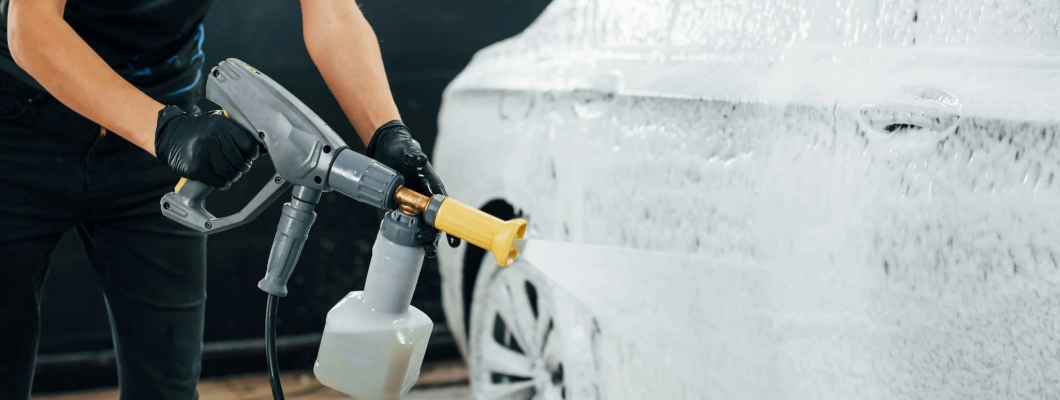
Foam Guns For Lower-Contact, Safer Washing
The less contact you have with paint during washing, the fewer
swirl marks you introduce. Our TORQ Foam Blaster 6 Pro Foam Gun connects to a
standard garden hose and coats your car in thick, clinging foam that loosens
dirt before your mitt ever touches the surface.
Drying Right So You Don't Undo A Good Wash
Drying is where many good washes fall apart. Rubbing a rough towel across wet paint drags contaminants and introduces swirl marks. Our Workhorse Professional Grade Microfiber Towel is soft, absorbent, and built to lift water without friction. Pat or drag lightly in one direction rather than scrubbing back and forth.

Final Thoughts
There is no single number that works for every car, every driver,
and every climate. But there is a principle that always holds: regular washing
with the right products protects your paint far better than irregular washing
with whatever is available.
At Chemical Guys, we have made it our mission to take the
guesswork out of car care. Our car wash soaps, foam guns, and microfiber drying
towels are built to work together and make your routine faster and safer.
Wash smarter, wash consistently, and your paint will show the
difference.
Leave a Comment