


%20X3003%20Grit%20Guard-190x190h.jpg "Grit Guard")






Key Takeaways:
- PPF
Stops Physical Damage: Film excels at absorbing rock chips, road
debris, and impact damage that no chemical protection can stop.
- PPF
Has Real Limits: It does not prevent swirl marks, deep chemical
staining, or UV yellowing without additional protection layered on top.
- Waxes
And Ceramics Fill The Gaps: For panels without film, products like our
JetSeal and Carbon Force handle what PPF leaves uncovered.
You have probably seen the price quote for full-front PPF
and immediately closed the browser tab. Fair. It is not cheap. But the real
question is not whether PPF costs money; it is whether what it prevents costs
more over time. So is PPF worth it?
At Chemical Guys, we have spent over 20 years helping
drivers protect their paint with products that work. With 50,000+ verified
five-star reviews and a professional-grade lineup of waxes, sealants, and
ceramics, we know where each type of protection belongs.
This piece covers whether PPF is worth it as a genuine
question: what it does, where it falls short, how it stacks up against ceramic
coatings, and what to do if it is not in your budget right now.
What You're Paying For With PPF
PPF sits in its own category of paint protection.
Understanding what the cost covers and what it does not makes the value
clearer.
The Physical Protection It Provides And Its Real Limits
Paint protection film is thermoplastic urethane, a material
engineered to absorb kinetic energy from road debris before it reaches the
paint. Rock chips, gravel strikes, parking lot impacts, and minor abrasions hit
the film instead of your clear coat. Many modern films also self-heal light
surface scratches when exposed to heat, so minor scuffs from everyday contact
disappear on their own.
The limits matter too. PPF does not prevent swirl marks
caused by poor washing technique, and without a ceramic coating on top, the
film's surface can still accumulate water spots and UV-related yellowing. Film
is physical armor, not a complete protection system.
Why Paint Protection Film Worth It Depends On How You Use
Your Car
PPF makes the most financial sense when physical impact is a
genuine, recurring threat: highway driving, gravel roads, or environments where
rock chips are a near certainty. For a low-mileage vehicle with a sheltered
life, the investment may outweigh the risk it is actually preventing. Whether
paint protection film is worth it ultimately comes down to how much road
exposure your vehicle sees and how much the paint condition matters to you
financially.
Why Installation Cost Varies So Much
PPF pricing swings based on coverage area, film brand, and
installer skill. A partial front-end kit costs significantly less than a
full-body wrap. The install is highly skilled work, and air pockets, misaligned
edges, and lifted seams all degrade performance. Cheap installs often cost more
when the film needs to be removed and redone.
Where PPF Genuinely Earns Its Keep
Not all areas of a car benefit equally from film. Knowing
where the return is highest helps prioritize coverage.
High-Impact Zones: Hood, Front Bumper, Mirrors, Door
Edges
The front end of any car takes the majority of road debris
impacts. The hood leading edge, front bumper, and side mirrors collect the most
rock chips on highway-driven vehicles. Door cup handles and door edges
accumulate fine scratches from fingernails, keys, and everyday handling. These
are the areas where even a modest partial kit delivers visible, measurable
protection.
Should I Get PPF On My Car Based On My Driving Profile
Should I get PPF on my car if most of my driving is on city
streets? The threats there are door dings and parking-lot debris rather than
highway rock chips. A quality wash routine with a wax or sealant covers much of
that risk at a fraction of the cost. Highway commuters and anyone for whom
resale value matters get the clearest return on PPF. If you are still asking
“should I get PPF on my car,” the honest answer is: yes if you drive highways
regularly or care about resale value, and probably not if you don’t.
When Resale Value Tips The Equation
A car with chip-free paint commands a higher resale price
than one with visible front-end damage. For leased vehicles or high-value cars
where a single-panel respray costs more than the original installation, the
economics become straightforward. PPF is as much a financial instrument as a
car care product.
What PPF Can't Do And What Fills Those Gaps
Film is not the answer to every paint problem. Knowing its
limits points you toward the right complementary products.
- Swirl
Mark Prevention: PPF does not prevent swirl marks from washing or
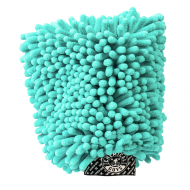
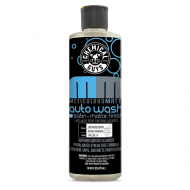
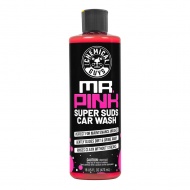
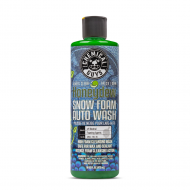
drying. A microfiber wash mitt and pH-neutral soap are the right defense
on both filmed and unfilmed surfaces.
- Chemical
Staining: Strong bird-dropping acids, industrial fallout, and tree sap
can still etch or bond to the film surface if left too long. Regular
washing and a ceramic layer over the film are the real defense here.
- UV
Yellowing Without Ceramic: Uncoated PPF can yellow over time when
exposed to prolonged UV light. A ceramic coating applied over the film
addresses this directly.
- Unfilmed
Panel Protection: Any panels without PPF still need dedicated
protection. Our Carbon Force Ceramic Protective Paint Coating System
delivers up to five years of SiO2-based protection on exposed panels. Pair
it with something from our Waxes and Sealants range for a complete
layered defense on every panel.
- Existing
Defects Stay: Any scratches or swirl marks on the paint underneath get
locked in permanently. Correction must happen before installation.
PPF vs. No PPF: Picking The Right Layer For The Right
Problem
PPF car cost is the first question most drivers ask before
understanding what each protection type actually does. Once you understand the
actual PPF car cost relative to what a single respray runs, the math often
shifts in film’s favor for high-exposure vehicles. The better question is which
threat each product addresses.
Protection From Impact vs Protection From Contamination
PPF is designed for physical impact. Ceramic coatings are
designed for chemical and environmental contamination. PPF absorbs kinetic
energy from rock chips; our HydroSlick Ceramic Coating HyperWax builds an
SiO2-based hydrophobic layer that causes water and contaminants to shed.
Neither does the other's job.
Paint Protection Film Pros And Cons In A Layered System
The strongest approach combines both: PPF on high-impact
zones, ceramic coating over the film and across the rest of the car. The paint
protection film pros and cons shift significantly when film is paired with a
ceramic coating rather than used alone. Film with a ceramic top delivers
physical protection, hydrophobic defense, and UV resistance. Weighed honestly,
the paint protection film pros and cons favor installation for any driver whose
vehicle faces regular highway exposure or holds meaningful resale value.
Budget Considerations And Where To Prioritize
Prioritize the highest chip-risk areas: front bumper, lower
hood, and mirrors. Then build a strong chemical layer across the whole car. Our
JetSeal Sealant and Paint Protectant provides up to a year of protection from
UV, moisture, and contamination. For drivers ready to go further, add a product
from our Ceramic Coatings range for long-term hydrophobic defense that
outlasts any sealant.
How To Protect Your Paint If PPF Is Not In The Budget
Skipping PPF does not mean skipping protection. A
well-chosen product stack covers most of what film handles chemically, even if
physical impact protection remains the gap.
Building A Solid Protection Stack With Waxes, Sealants,
And Ceramics
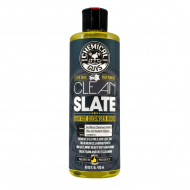
Start with our Clean Slate Surface Cleanser Wash, which
strips old wax and sealant residue, giving fresh protection a clean substrate
to bond to. From there, a sealant for durability, a ceramic for long-term
hydrophobicity, or a carnauba wax for deep gloss each offers layered options
depending on your maintenance commitment.
Products That Deliver Real Protection Without The Film
Price Tag
Our Butter Wet Wax delivers warm, deep carnauba shine and meaningful UV protection in a single application. For drivers who want longer-lasting coverage, our InstaWax Liquid Carnauba Shine and Protection Spray delivers instant carnauba gloss with fast, spray-on application and no cure time required. Those who want a longer-term solution can opt for a ceramic coating that bonds to the paint and lasts for years. For drivers in the ppf vs no ppf debate who land on the no-PPF side, this kind of layered chemical stack is the strongest available alternative.
Final Thoughts
Is PPF worth it? For high-mileage drivers, highway
commuters, and anyone with a vehicle where paint condition has real financial
consequences, yes, it often is. For everyone else, a smart protection stack
with the right chemical products gets you most of the way there at a fraction
of the cost.
At Chemical Guys, we build products for both situations.
Whether you have PPF installed and need a ceramic layer to maximize its
performance, or you are building coverage with waxes, sealants, and ceramics
alone, our lineup covers every stage.
Build smart, stay consistent, and the finish takes care of
itself.
Frequently Asked Questions About Is PPF Worth It
How long does PPF last before needing replacement?
Most quality PPF lasts between five and ten years, depending
on exposure, film brand, and maintenance.
Does PPF change how my car looks?
Matte and satin finishes exist, but most PPF is optically
clear, and properly installed film is nearly invisible on the paint surface.
Can PPF be removed and reinstalled elsewhere?
No. Once removed, the film cannot be repositioned or reused
on a different panel.
Does PPF protect against hail damage?
Standard PPF absorbs minor impacts but is not designed to
withstand hail. Larger hailstones can dent the metal underneath the film.
What is the difference between PPF and a vinyl wrap?
Vinyl wraps change the car's color or finish. PPF is clear
and designed purely for protection, not aesthetics.
Is it worth getting PPF on a used car?
It depends on the paint condition. Correction must happen
before installation, and a used car in poor paint condition may need
compounding first.
Leave a Comment